Hardware & Components
True upholstery and restoration mastery begins where the eye cannot see. Beneath every fabric, cushion, and welt lies a complex system of springs, webbing, padding, and structural components that determine how a piece feels, performs, and ages over decades.
At First Class MasterCraft, we treat internal construction with the same precision and artistry as the visible finish — because longevity, comfort, and structural integrity start from the inside out.
This guide reveals the craftsmanship, materials, and engineering that define luxury upholstery and heirloom‑grade restoration.
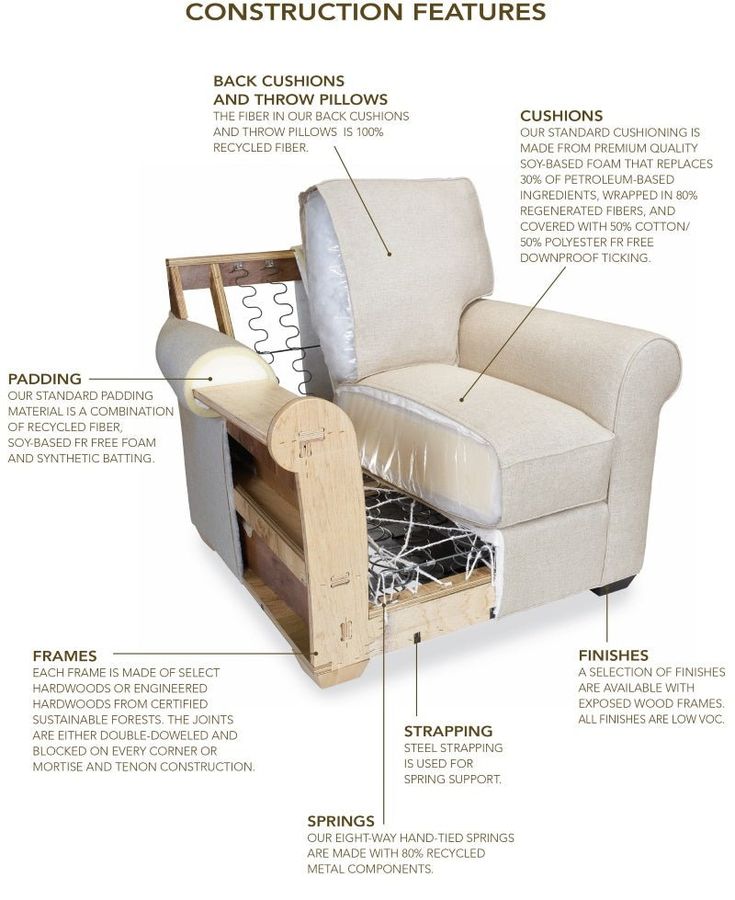
Frame Construction & Structural Engineering
A piece is only as strong as its frame. Our restoration and custom upholstery work begins with a structurally sound foundation designed to withstand decades of use and multiple reupholstery cycles.
- Hardwood frames using maple, beech, oak, or other kiln‑dried species
- Mortise‑and‑tenon or reinforced dowel joinery for long‑term stability
- Corner blocks glued and screwed into all major stress points
- Reinforced rails to distribute weight and prevent racking or twisting
- Frame tightening, repair, or full rebuilds for antique and heirloom pieces
A properly engineered frame prevents wobbling, sagging, and premature failure, ensuring the piece can be refreshed with new fabric and cushions over its lifetime.
Springs
Springs are the heart of seat support. They determine how a piece feels on day one and how it performs decades later. We select and tune spring systems based on the frame, style, and intended use of each piece.
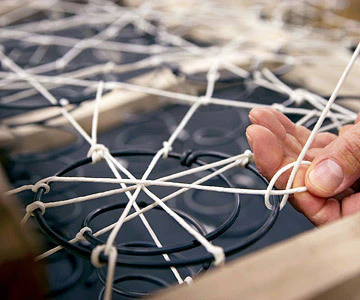
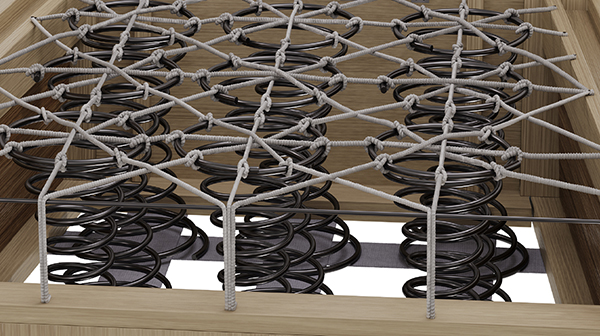
8‑Way Hand‑Tied Coil Springs
The gold standard of traditional upholstery, 8‑way hand‑tied coil springs create a responsive, balanced seat that ages gracefully.
- Each coil is tied in eight directions for uniform support
- Weight is distributed evenly across the entire seating surface
- Springs are locked in place to prevent shifting or migration
- Ideal for heirloom seating and high‑end restoration projects
Sinuous (No‑Sag) Springs
Sinuous springs are a modern, space‑efficient solution often used in contemporary frames. We upgrade basic installations to meet luxury standards.
- Heavy‑gauge sinuous wire for long‑term resilience
- Reinforced clips and fasteners to prevent squeaks and loosening
- Hand‑tied lateral stabilizers to control side‑to‑side movement
- Spring tension tuned to the frame and cushion design
Spring Retensioning & Replacement
For restoration work, we carefully evaluate the existing spring system and:
- Retension sagging or fatigued coils
- Replace broken or weakened springs
- Rebuild entire spring decks when necessary
This ensures the seat feels supportive, balanced, and comfortable for years to come.
Webbing
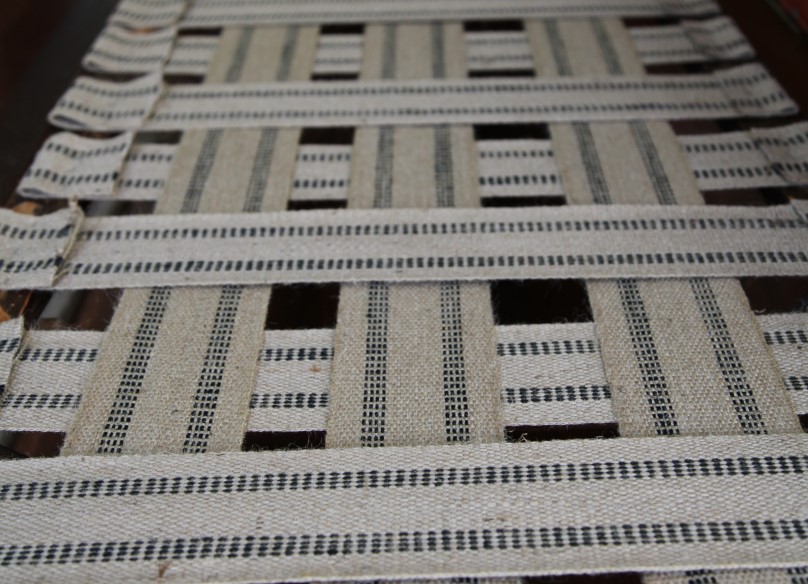
Webbing supports the spring system and helps distribute weight across the frame. Proper webbing is essential for long‑term comfort and structural stability.
- Traditional jute webbing for classic and antique furniture
- Elastic webbing for modern frames and contemporary designs
- Full webbing replacement during reupholstery and restoration
- Correct tensioning to prevent sagging and premature wear
When webbing is installed and tensioned correctly, the entire seating system performs better and lasts longer.
Decking
Decking is the layer between the springs and the cushions. It plays a critical role in comfort, even though it is rarely seen.
- Durable deck cloth or burlap stretched tightly over the spring system
- Padding layers to smooth transitions and prevent feeling individual springs
- Edge reinforcement to maintain a clean, supportive front rail
- Installation tuned to the cushion style and intended use
A properly prepared deck ensures that cushions sit evenly, feel consistent, and maintain their shape over time.
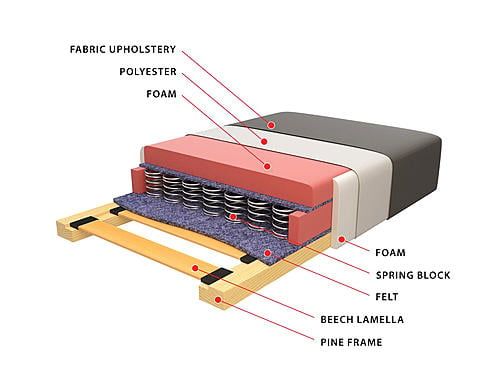
The Edgeroll
The edgeroll is the unsung hero at the front of the seat. It creates the smooth, supportive transition from frame to cushion that defines true comfort.
- Hand‑formed rolls tailored to the frame profile
- Options including stitched burlap rolls, foam‑wrapped rolls, or traditional stitched edge rolls
- Support where the back of the legs meet the seat, preventing sharp edges
- Helps maintain crisp, tailored front lines over years of use
In luxury upholstery, the edgeroll is a defining detail — you feel it every time you sit down.
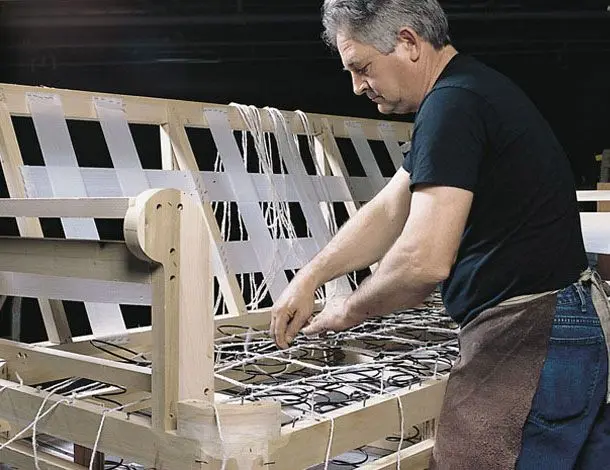
Frame Padding & Shaping
We pad the entire frame, not just the cushions. This creates a softer, more inviting piece and protects both the fabric and the sitter.
- Cotton batting, felt, and foam used in graduated layers
- Arms and backs sculpted for comfort and visual balance
- Edges softened to prevent fabric wear and hard contact points
- Profiles refined to match the original design or updated aesthetic
Proper frame padding is one of the key differences between basic upholstery and true craftsmanship.
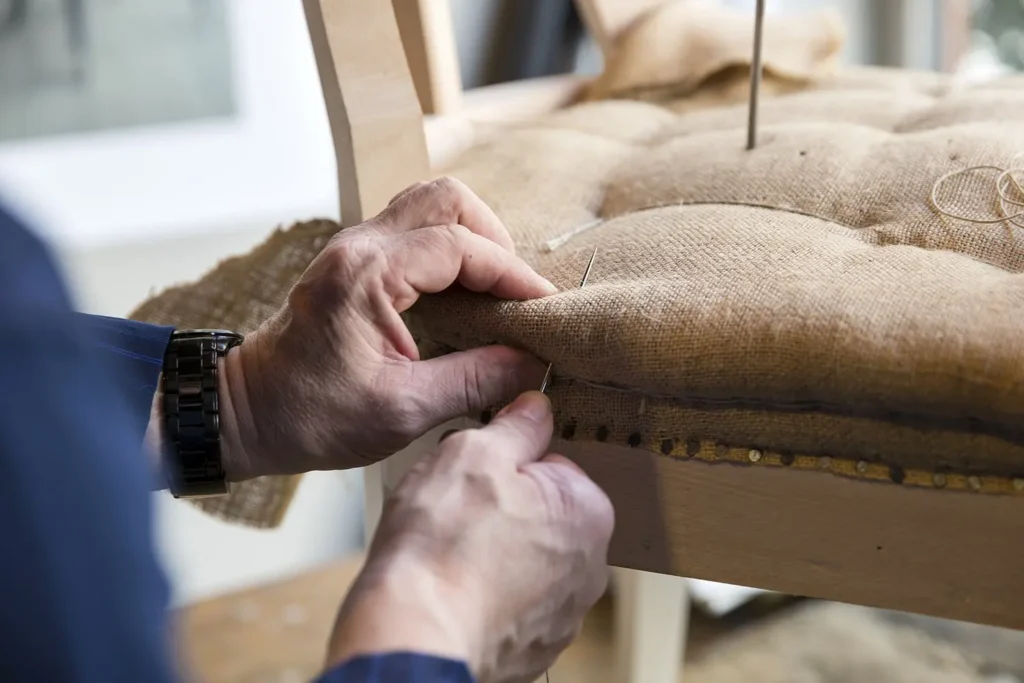
Tufting
Tufting is both a structural and decorative technique. It shapes the cushioning, controls how the fill moves, and creates distinctive visual patterns.
- Diamond tufting for classic, tailored depth
- Biscuit tufting for clean, modern grids
- Channel tufting for linear, architectural lines
- Deep tufting for traditional and antique pieces
Each tuft is hand‑pulled, tension‑balanced, and anchored through the padding to ensure long‑term performance and precise alignment.
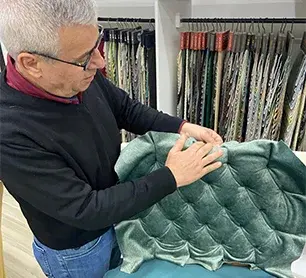
Nailheads & Decorative Hardware
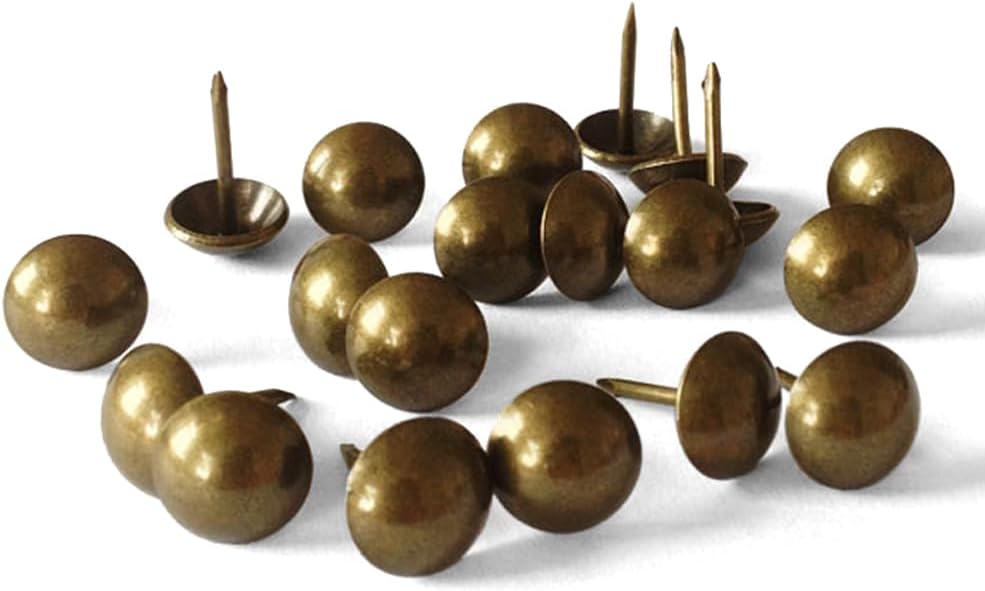
Nailheads and decorative hardware frame the upholstery and define the edge details. They can highlight lines, emphasize curves, and reference specific design periods.
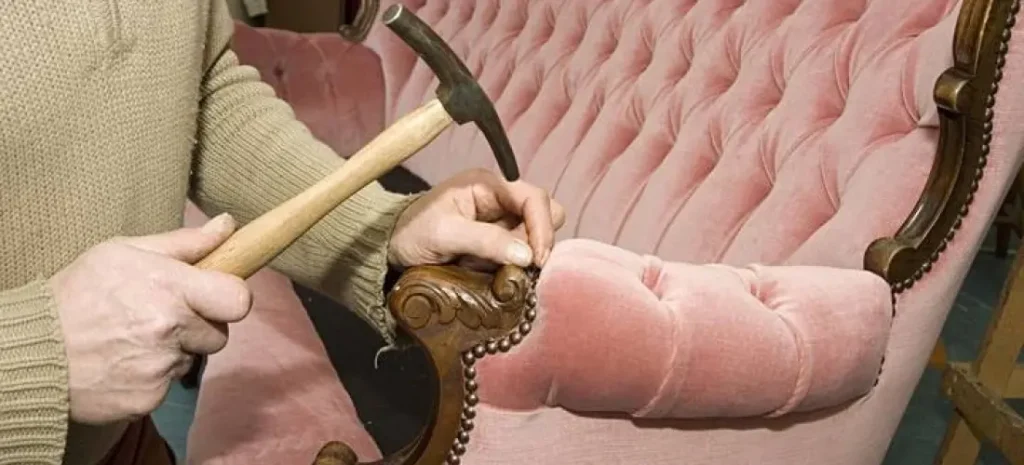
- Antique‑style nailheads for period‑correct restoration
- Modern, minimal nailhead patterns for contemporary pieces
- Custom layouts that follow arms, bases, and profiles
- Careful alignment and spacing for a refined, luxury finish
These details are installed by hand, one at a time, to achieve a clean, intentional look.
Cushion Engineering
Cushion construction is where comfort, support, and longevity meet. We design cushions to match the way each piece will be used and the way each client prefers to sit.
Foam Cushions
- High‑density foam cores for structure and support
- Softer wrap layers for comfort and a tailored profile
- Dacron or cotton envelopes to smooth edges and protect the coreme.
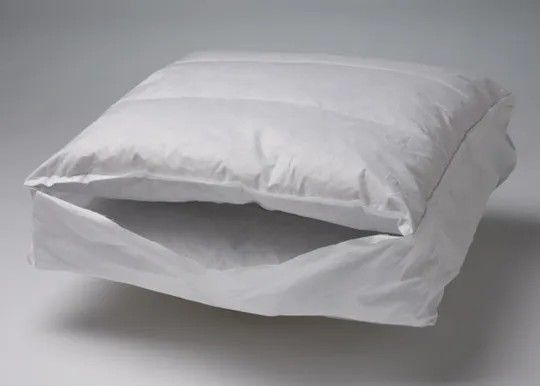
Down & Feather Cushions
- Feather/down blends for a relaxed, sink‑in feel
- Baffled ticking chambers to keep fill evenly distributed
- Optional foam or spring cores wrapped in down for added support
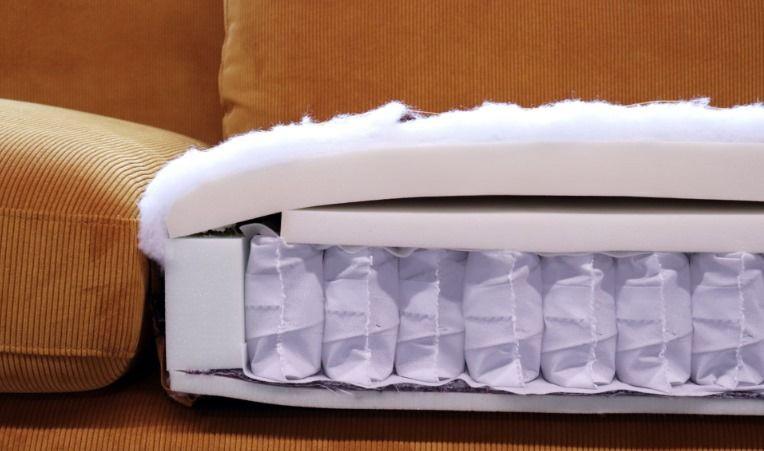
Spring‑Down Cushions
- Marshall coil units encased in a down or feather envelope
- Responsive support with a soft, luxurious surface feel
- Ideal for high‑use seating where comfort and structure must coexist
Fiber Cushions
- Hypoallergenic fiber fills for clients who prefer non‑down options
- Blended fiber systems tuned for loft and resilience
- Structured or relaxed profiles based on design intent
We tune firmness, loft, and support to the client’s preference, ensuring each seat feels intentional and consistent.
Back Pillows
Back pillows receive less direct weight than seat cushions, but they play a major role in perceived comfort and support.
- Down and feather/down blends for a soft, enveloping feel
- Fiberfill options for structure and easy maintenance
- Foam core with down or fiber wrap for shape retention
- Custom blends tailored to posture, use, and aesthetic
We design back pillows to maintain their shape while remaining inviting and comfortable over time.
Fabric Preparation & Tailoring
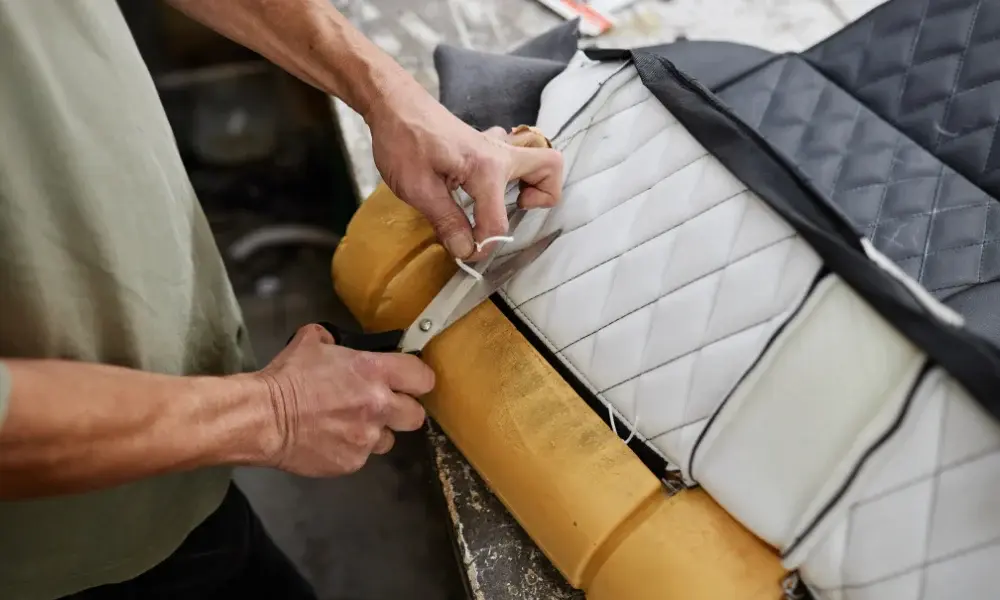
Upholstery is as much about tailoring as it is about structure. The way fabric is cut, aligned, and applied determines how a piece looks and wears.
- Hand‑cut panels to respect fabric grain and pattern
- Pattern matching at seams, arms, and cushions
- Stripe and plaid alignment across fronts, backs, and sides
- Fabric tensioned correctly to avoid puckering or premature wear
This couture‑level approach ensures that each piece looks as refined up close as it does from across the room.
Finishing Details
The final details are where craftsmanship becomes unmistakable. We finish each piece with details that complement its style and elevate its presence.
- Single or double welt for tailored edges
- Top stitching or French seams for modern or relaxed looks
- Contrast piping to highlight lines and profiles
- Custom trims and details for truly bespoke pieces
Every decision is intentional, from the internal structure to the final stitch.
Why Internal Craftsmanship Matters
Luxury upholstery is not defined by fabric alone. It is the sum of engineering, materials, technique, and attention to detail that determines how a piece feels, performs, and ages.
At First Class MasterCraft, we build and restore furniture from the inside out — so that what you cannot see works as beautifully as what you can.
To explore related materials and construction details, visit: