Craftsmanship Standards
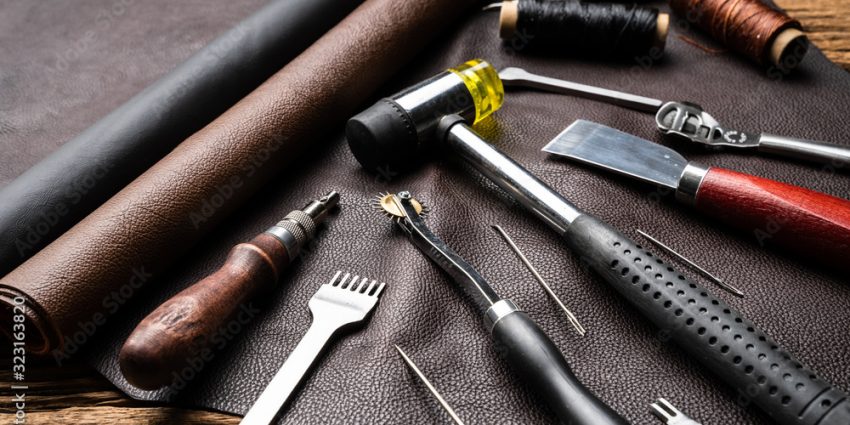
Our craftsmanship standards apply to every discipline we practice — upholstery, restoration, finishing, and custom fabrication. Whether we are rebuilding a century‑old heirloom or engineering a modern architectural piece, the same legacy techniques, precision, and inspection process guide every project we touch.
At First Class MasterCraft, every piece we touch is treated as architecture, not décor.
Our multi‑generational workshop serves New York City, New Jersey, and the greater tri‑state area with
precision upholstery, restoration, cabinetry, and custom fabrication built to outlast trends and shortcuts.
Our Craftsmanship Philosophy
Our work is guided by a simple belief: true comfort and beauty begin with structure.
We design and build with proportion, longevity, and integrity at the core of every decision,
whether we are restoring a century‑old heirloom or engineering a modern custom piece.
Comfort Begins With Structure
We start with the frame and geometry of each piece, shaping the foundation to support the body correctly
before a single layer of foam or fabric is added. Seat depth, back angle, arm height, and cushion profile
are all intentionally balanced to create comfort that feels natural, not forced.
Craftsmanship Without Compromise
We do not build with particle board, weak joinery, or low‑density foam.
We refuse the shortcuts that dominate mass‑produced furniture.
Every decision—from the wood species to the spring system—is made to protect the long‑term integrity of the piece.
A Generational Standard
Our standards were not invented in a marketing meeting; they were inherited in a working shop.
Techniques, rules, and expectations have been passed down through generations, refined by experience,
and proven in real‑world use across homes, showrooms, and commercial spaces.
Quality Benchmarks That Define Every Build
Every project in our care is held to measurable standards.
From the internal frame to the final stitch, each stage of fabrication and restoration must meet
specific benchmarks before it leaves our Fort Lee workshop or our West Nyack CNC facility.
Structural Standards
- Kiln‑dried hardwood frames for strength and stability.
- Mortise‑and‑tenon, dowel, or equivalent high‑integrity joinery.
- CNC‑cut components for precise tolerances and repeatable accuracy.
- Reinforced stress points at arms, corners, and load‑bearing areas.
- No MDF or particle board in structural or high‑stress zones.
Upholstery Standards
- 8‑way hand‑tied springs where appropriate for traditional builds.
- High‑gauge sinuous springs for modern, streamlined seating.
- High‑density foam minimums selected for both comfort and longevity.
- Down, feather, or blend cushion options for luxury comfort profiles.
- Strict fabric alignment rules for patterns, stripes, and grain direction.
- Reinforced seams and double‑stitching in high‑stress areas.
Finishing Standards
- Hand‑rubbed finishes where appropriate for depth and character.
- Color‑matched touch‑ups to respect the original or intended design.
- Grain‑direction consistency across visible surfaces.
- Commercial‑grade coatings and finishes when the application demands it.
Inspection Standards
- Multi‑stage inspection throughout fabrication and finishing.
- Structural integrity checks before upholstery and before delivery.
- Comfort testing for seat, back, and arm support.
- Fabric and finish alignment review under proper lighting.
- Final quality‑control sign‑off by a senior craftsperson.
Generational Techniques
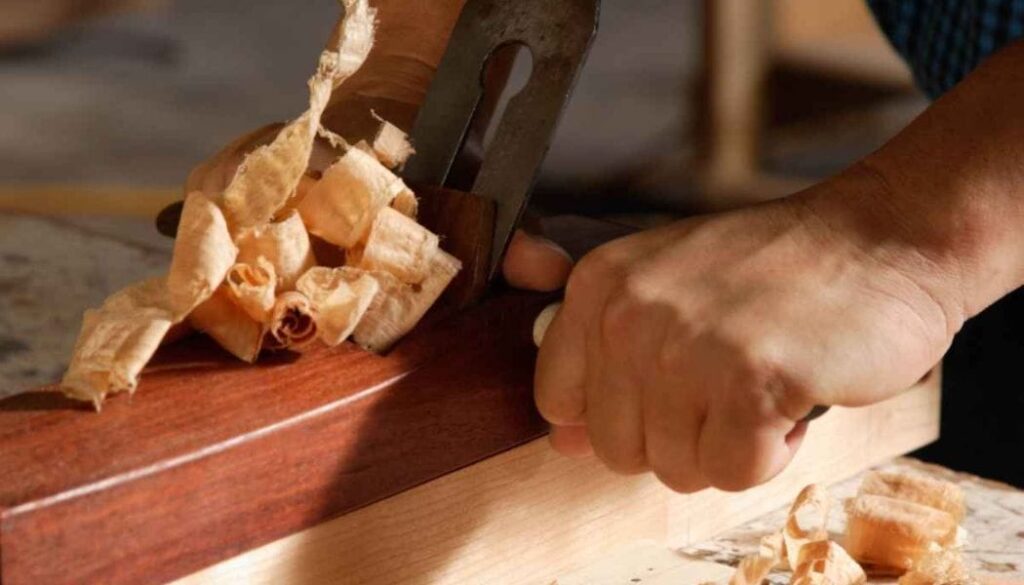
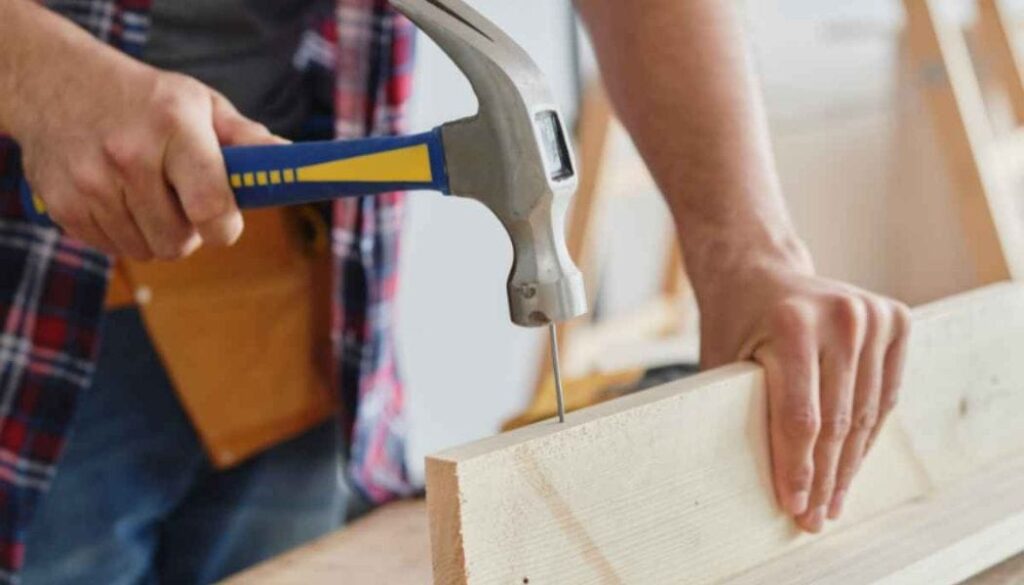
Our shop blends old‑world craftsmanship with modern engineering.
The techniques we use today are rooted in methods passed down through generations,
then enhanced with contemporary tools, CNC precision, and commercial‑grade capabilities.
Traditional Upholstery Methods
When a piece calls for it, we employ traditional upholstery techniques: hand‑stitched decking,
carefully shaped edge rolls, hand‑tied springs, and, where appropriate, horsehair restoration.
These methods create a feel and longevity that modern shortcuts simply cannot replicate.
Antique Restoration Techniques
We respect the original intent of every antique.
Our restoration work includes veneer repair, hand‑cut joinery, French polishing,
and period‑correct finishing approaches that preserve character while restoring structural integrity.
Legacy Meets CNC Precision
Our dual‑facility model allows us to combine generational hand skills with CNC‑driven accuracy.
Complex millwork, built‑ins, and architectural elements are engineered with tight tolerances,
then finished and detailed by hand to meet luxury expectations.
Techniques We Protect and Preserve
Certain shop rules never change: how frames are reinforced, how corners are built,
how springs are tied, how seams are finished. These are the techniques that define our lineage,
and they are actively taught, protected, and carried forward in every project.
Learn more about our generational techniques
Materials We Trust
The best craftsmanship fails without the right materials.
We work only with woods, fabrics, leathers, and cushion materials that meet our standards for performance,
aesthetics, and longevity.
Woods
We rely on hardwoods such as maple, oak, walnut, and birch for structural builds.
Softwoods and low‑grade composites are never used in load‑bearing frames or critical components.
Fabrics & Leathers
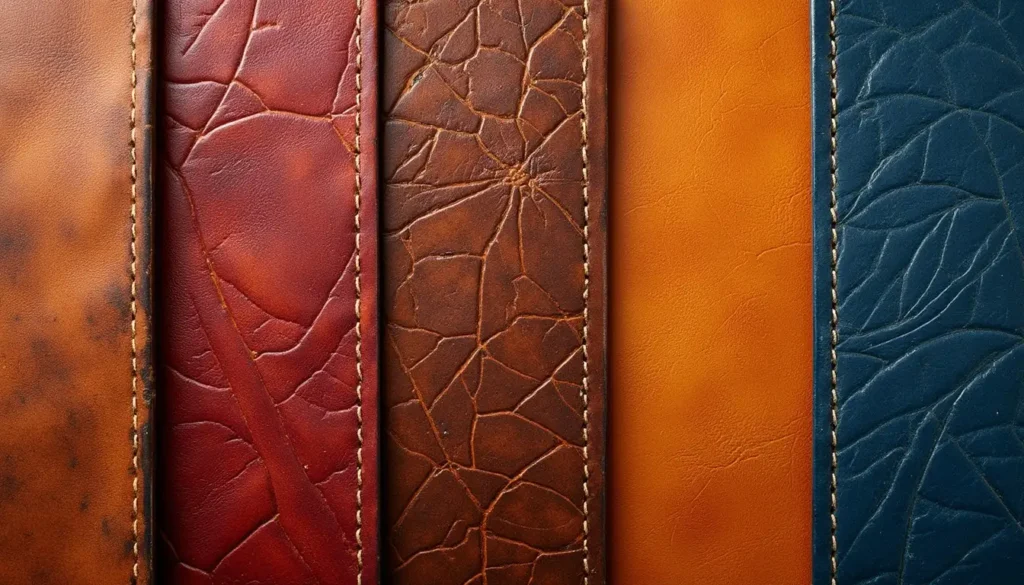
From performance fabrics and mohair to velvet, linen, and premium leathers,
we guide clients and designers toward materials that balance beauty, durability, and application.
Pattern matching, nap direction, and grain are all carefully considered.
Cushion Materials
We specify high‑density foam cores, down and feather blends, and spring‑down constructions
based on how the piece will be used. Each cushion is engineered for both comfort and structural support.
Explore our material library
The MasterCraft Process
Over decades, we have refined a process that respects both the craft and the client.
Every project follows a clear, disciplined sequence from concept to delivery.
1. Consultation & Design
We begin by understanding the piece, the space, and the intent—whether it is a restoration,
a custom build, or a complex built‑in. Measurements, references, and design goals are captured in detail.
2. Structural Engineering
Frames, joinery, and support systems are planned and engineered.
For custom work, this often includes CNC modeling and precise cut lists to ensure accuracy and repeatability.
3. Fabrication & Upholstery
Woodwork, frame building, and structural modifications are completed first,
followed by spring work, padding, and upholstery. Each stage is checked before the next begins.
4. Finishing & Detailing
Stains, paints, clear coats, and hand‑rubbed finishes are applied with attention to color, sheen, and grain.
Final trim, buttons, nailheads, and detailing are installed with precision.
5. Final Inspection & Delivery
Every piece undergoes a final inspection for structure, comfort, alignment, and finish quality.
Only after passing this review is it prepared for delivery or installation.
View our upholstery process ·
View our custom furniture process ·
View our restoration process
Why Our Standards Matter
Our standards are not theoretical—they show up in how a piece feels, how it ages, and how it holds value.
Designers, collectors, and clients who work with us do so because they can trust that what we build or restore
will perform in the real world, not just in photos.
Built for Those Who Demand More
Our work is designed for clients who care about structure, comfort, and longevity as much as they care about aesthetics.
That includes interior designers, architects, collectors, and homeowners who refuse disposable furniture.
The Difference You Can Feel
Sit, lean, or rest on a piece built to our standards and the difference is immediate:
no hollow frames, no collapsing cushions, no twisting arms, no shortcuts hidden beneath the fabric.
Bring Your Vision to a Master Craftsman
Whether you are restoring an heirloom, designing a custom piece, or planning a full architectural built‑in,
we bring generational craftsmanship and modern precision to every project.
Custom Beds & Handcrafted Headboard Styles
Explore our bespoke platform foundations, custom headboards, and full-scale bedroom builds: